20 Camping Graphics for Modern Branding
First Impressions: A Visual Mood for Outdoor Branding
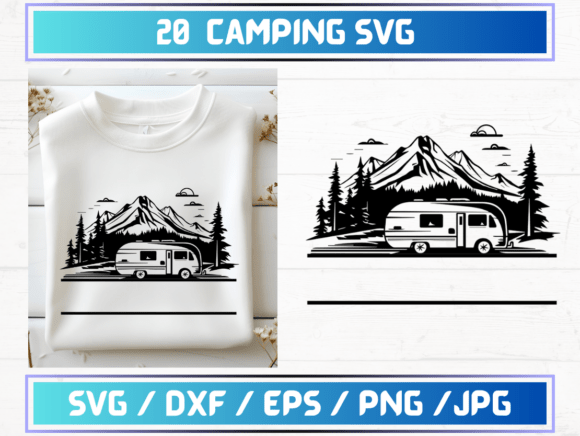
The first impression of 20 Camping SVG, DXF, EPS, JPG is one of simplicity and clarity. The design asset feels grounded in nature, with clean lines and subtle textures that evoke a sense of adventure and authenticity. It’s the kind of visual that speaks to a lifestyle rather than just a product. This mood can be powerful for brands targeting outdoor enthusiasts, eco-conscious consumers, or those who value a minimalist aesthetic.
Visual Consistency and Brand Identity
When evaluating a graphic design asset for brand identity, consistency is key. 20 Camping SVG, DXF, EPS, JPG offers multiple file formats—SVG, PNG, JPG, EPS, and DXF—that make it versatile for different applications. These files are all 300 dpi with transparent backgrounds, which is ideal for both digital and printable use. As a brand designer, I appreciate the flexibility this provides, especially when working on packaging design, product labels, or editorial layouts.
Supporting Marketing Goals with Strategic Use
This design bundle supports several marketing goals, including stronger first impressions and clearer visual hierarchy. The camping graphics can be used as hero images on landing pages, campaign headers, or social media covers to immediately grab attention. When paired with the right typography and color palette, these assets can help build audience trust and create a more memorable brand experience.
Where It Works Best: Campaign Headers and Branded Templates
20 Camping SVG, DXF, EPS, JPG shines in environments where visual storytelling is essential. It works exceptionally well in branded templates, social media graphics, and promotional banners. For instance, a small business launching a new line of outdoor gear could use these assets to create a cohesive content kit that includes Instagram posts, Pinterest pins, and Facebook ads. The consistent style helps reinforce brand recognition across multiple platforms.
Limitations and Considerations
While 20 Camping SVG, DXF, EPS, JPG is a strong asset, there are scenarios where it should be used with caution. In formal corporate branding, where a more polished and structured look is expected, these graphics may appear too casual. Similarly, in text-heavy ads or dense information layouts, they might compete with the main message. It's important to test how the asset pairs with serif, sans-serif, script, and display fonts to ensure readability and visual balance.
Practical Design Notes for Brand Creators
As a brand designer, I recommend testing 20 Camping SVG, DXF, EPS, JPG with your brand color palette to see how it integrates visually. Check its performance in black and white to ensure it remains effective in low-contrast environments. Previewing it on mobile screens is also crucial, as many users engage with content through their phones. Additionally, consider how it looks at smaller sizes—this will impact its effectiveness in email banners or social media thumbnails.
Enhancing Content Marketing with Graphic Templates
For content marketers, 20 Camping SVG, DXF, EPS, JPG can be a valuable addition to a content marketing strategy. These assets can support blog graphics, website headers, and lead magnets, helping to maintain a consistent visual tone across all content types. They are particularly useful for creating Canva templates or printable promotions that align with a brand’s overall aesthetic.
Commercial Licensing and Legal Considerations
Before using 20 Camping SVG, DXF, EPS, JPG in paid campaigns or client work, it’s essential to confirm the commercial license. This ensures that the asset is legally usable for business branding and marketing purposes. Always review the terms of use to avoid any potential issues with copyright or usage rights.
Final Thoughts on Branding and Audience Appeal
20 Camping SVG, DXF, EPS, JPG is a well-rounded graphic design asset that can enhance both digital and print campaigns. Its versatility makes it suitable for a wide range of applications, from social media graphics to packaging design. By understanding its strengths and limitations, brand designers and content marketers can effectively integrate it into their workflows and create compelling visuals that resonate with the target audience.