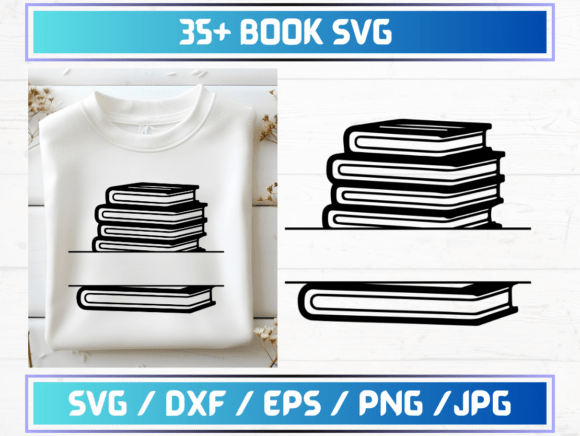
35 Book SVG Files for Modern Graphic Design
First Impressions: A Visual Mood for Content Creation
The first impression of 35 Book SVG Files is clean, modern, and versatile. The design asset carries a subtle yet professional tone that aligns well with editorial content, blog visuals, and digital marketing assets. It feels like a graphic design asset crafted for creative entrepreneurs and small business owners who want to elevate their website’s visual identity without sacrificing quality or simplicity.
Editorial Quality Meets Web Design Needs
As an experienced blog designer, I immediately recognized the potential of 35 Book SVG Files in supporting high-quality editorial design. The files come in multiple formats—SVG, PNG, JPG, EPS, and DXF—ensuring compatibility across various platforms and tools. This versatility makes them ideal for use in both web design and print projects, offering flexibility for different publishing workflows.
Real Publishing Use Cases: From Blog Graphics to Social Media
35 Book SVG Files can be used in a wide range of publishing scenarios. For bloggers, they serve as excellent blog graphics, article headers, and featured images. They also work well as Pinterest pins, social media graphics, and Canva templates. In editorial design, these files can act as accents or category visuals, helping to organize content and guide reader navigation.
For digital marketers and affiliate marketers, the asset supports lead magnets, downloadable resources, and digital guides. Its clean lines and structured layout make it perfect for creating content upgrades, printable designs, and even eBook covers. Whether you're building a media kit or designing a newsletter header, 35 Book SVG Files offer a reliable foundation for your visual strategy.
Supporting Content Performance Through Visual Hierarchy
Using 35 Book SVG Files can significantly improve content performance by enhancing visual hierarchy and brand identity. The asset provides a strong first impression, which is crucial for capturing reader attention on a blog post or landing page. Its clear structure helps establish a consistent brand identity, reinforcing trust and professionalism.
Additionally, the design asset contributes to better click-through potential and improved reader trust. When used in website headers or social media previews, it creates a polished look that encourages engagement. The transparency of the background also allows for seamless integration into various layouts, making it a versatile choice for content creators.
Where 35 Book SVG Files Shine: Key Applications
- Hero Images: These files are perfect for hero sections on landing pages and blog homepages.
- Article Thumbnails: Their clean design makes them ideal for article thumbnails in content hubs.
- Pinterest Pins: The scalable format ensures sharp visuals on all screen sizes.
- Blog Graphics: They provide a modern aesthetic for blog posts and digital guides.
- Editorial Accents: They can be used as subtle design elements in editorial layouts.
- Downloadable Resources: Their high resolution and transparent backgrounds make them suitable for printable designs.
- Newsletter Headers: The files support a cohesive visual identity in email newsletters.
- Social Media Previews: Their adaptability ensures consistency across platforms.
When to Use with Caution: Avoiding Overuse
While 35 Book SVG Files are highly versatile, there are situations where they should be used carefully. For example, they may not be the best fit for small mobile thumbnails due to their size and detail. They also might not work well with text-heavy blog images or low-contrast backgrounds, where clarity could be compromised.
Additionally, in serious professional niches or corporate content, the playful nature of the design asset might not align with the expected tone. It's important to consider the overall visual system of your website and ensure that the asset complements rather than overwhelms the existing branding.
Publisher Notes: Best Practices for Using 35 Book SVG Files
Before using 35 Book SVG Files in real publishing projects, it's essential to test them on both desktop and mobile screens. Check how they appear as thumbnails and preview them within a real blog layout to ensure they fit seamlessly. Test the files with different headline texts to assess readability and contrast.
Consider trying the asset in black and white to evaluate its effectiveness in monochrome contexts. Place it beside various font styles—serif, sans serif, script, and display—to see how it interacts with different typographic choices. Review file sizes to optimize web performance and compress images properly for faster load times.
Finally, confirm the commercial license before using the asset on monetized websites, affiliate pages, or paid content products. Ensuring proper licensing is crucial for maintaining compliance and protecting your digital marketing efforts.