Cactus Graphics for Crafts and Design
First Impressions: A Versatile Cactus Collection
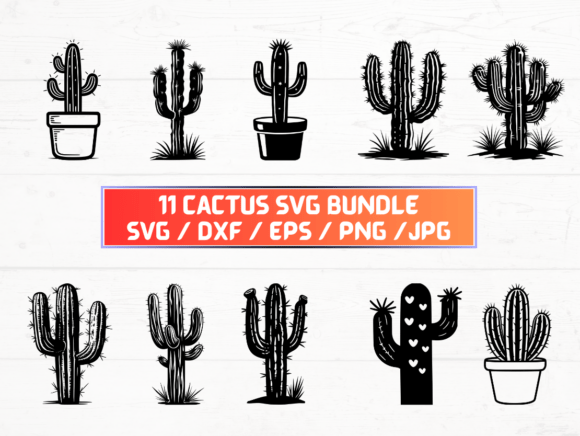
The Cactus SVG, DXF, EPS, JPG, PNG collection immediately feels like a well-curated design bundle. The cacti are rendered with a clean, modern aesthetic that balances simplicity and detail. Each file appears to be carefully crafted, offering a range of styles from minimalistic to intricate. The transparent backgrounds in the PNGs make them ideal for layering over various color schemes, while the 300 dpi resolution ensures crisp quality at any scale.
Design Context: A Real-World Scenario
Imagine working on a branding project for a small handmade business specializing in desert-inspired home decor. The client wants a cohesive visual identity that reflects both the natural beauty of cacti and the artisanal quality of their products. In this scenario, the Cactus SVG, DXF, EPS, JPG, PNG collection becomes an essential resource. Whether it's for logo design, product labels, or social media graphics, these files offer a versatile foundation for creating a strong brand presence.
Applying the Asset: Where It Works Best
The Cactus SVG, DXF, EPS, JPG, PNG collection excels in large layout areas such as hero graphics, product mockups, and packaging design. Its vector format makes it perfect for scalable use in digital and print projects. For example, using an SVG file in a Canva template allows for easy customization without losing quality. The PNG files with transparent backgrounds are especially useful for creating sticker designs, t-shirt graphics, and Etsy product visuals.
In editorial design, the collection can serve as decorative accents or thematic elements. When used in a blog post or website graphic, the cactus imagery adds a touch of warmth and texture. On social media platforms like Instagram and Pinterest, the high-resolution JPG and PNG files ensure sharp, eye-catching visuals that resonate with the target audience.
Limitations and Considerations
However, there are scenarios where the Cactus SVG, DXF, EPS, JPG, PNG collection should be used with caution. At smaller sizes, the intricate details may become lost, making it less effective for minimalist branding or professional corporate materials. In crowded layouts, the cactus images might compete with other visual elements, reducing readability and focus.
Additionally, when placed against complex backgrounds, the cactus images may not stand out as effectively. This means they should be tested in different contexts to ensure they maintain visual clarity and impact. For projects requiring a very clean visual hierarchy, the asset may need to be simplified or paired with more neutral design elements.
Design Impact: Readability and Brand Consistency
Using the Cactus SVG, DXF, EPS, JPG, PNG collection can significantly enhance the emotional appeal of a design project. The organic shapes and textures evoke a sense of nature and craftsmanship, which is particularly appealing for handmade businesses and creative marketplaces. However, designers must ensure that the cactus imagery supports the overall brand message without overshadowing other key design elements.
Brand consistency is crucial, and the cactus asset should be integrated thoughtfully into the visual hierarchy. Testing it in black and white helps identify how it performs in low-contrast environments, ensuring it remains legible and impactful across different mediums. Previewing the asset at various sizes and on real mockups provides valuable insights into its versatility and effectiveness.
Practical Designer Notes
Before using the Cactus SVG, DXF, EPS, JPG, PNG collection for a client project, consider the following:
- Test it in black and white to ensure it maintains visual interest without relying solely on color.
- Check contrast on both light and dark backgrounds to confirm it remains readable and engaging.
- Preview at small and large sizes to assess scalability and clarity in different contexts.
- Place it on real mockups to evaluate how it integrates with other design elements.
- Test print quality to ensure it holds up in physical formats like packaging or merchandise.
- Review file formats and inspect PNG transparency if included, as this affects usability in layered designs.
- Check SVG or vector editability when relevant, allowing for custom adjustments in design software.
- Compare with different font styles to see how it complements serif, sans serif, script, and display fonts.
- Confirm commercial licensing before using it for a client or business project to avoid legal issues.
Conclusion: A Useful Creative Asset
The Cactus SVG, DXF, EPS, JPG, PNG collection is a valuable addition to any designer’s toolkit. It offers a wide range of applications, from logo design and brand identity to social media graphics and printable products. While it has its limitations, careful consideration and thoughtful integration can help it shine in a variety of design contexts. For those working on handmade brands, small business branding, or creative marketplace projects, this asset can elevate the visual storytelling and create a more polished, professional outcome.