Snowman SVG. DXF. EPS. JPG. PNG
A Cheerful, Compact Design — But Does It Stitch Cleanly?
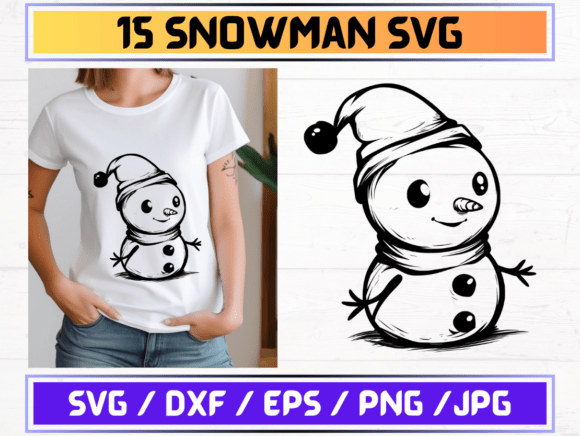
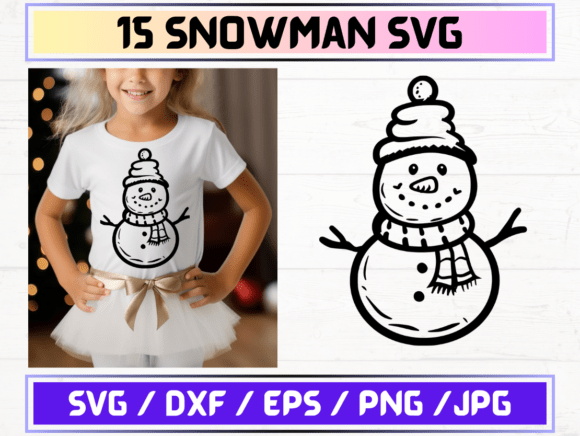
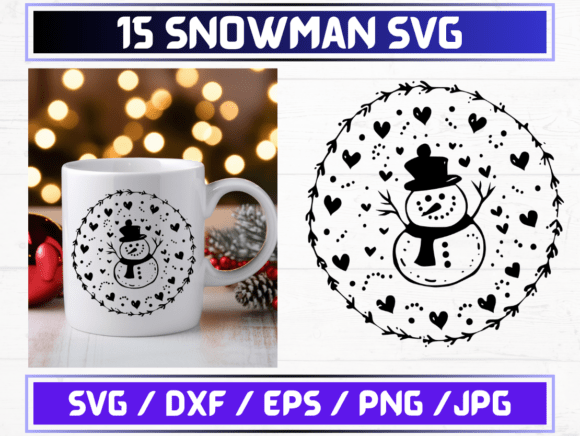
As a designer who’s stitched hundreds of holiday motifs—from intricate reindeer silhouettes to delicate snowflakes—I opened Snowman SVG. DXF. EPS. JPG. PNG expecting something simple and joyful. What I found was a clean, friendly snowman with rounded features, minimal internal detail, and balanced proportions—ideal for quick-turn projects like embroidered tote bags or baby onesies. It doesn’t try to be fancy; it leans into warmth and approachability. That’s smart. In embroidery, clarity beats complexity every time—especially when you’re stitching on textured fleece, stretchy knits, or lightweight cotton.
Real-World Use: A Holiday Tote Bag That Actually Sells
Last week, I tested Snowman SVG. DXF. EPS. JPG. PNG on a natural canvas tote for a local boutique’s holiday pop-up. I used it as a machine embroidery design centered on the front panel—no applique, no extra layers—just fill stitch and satin stitch outlining. The result? Crisp edges, no thread nesting, and strong visual impact from three feet away. Customers responded immediately: “That’s so sweet!” “Is it for kids?” “I need one for my teacher.” That kind of emotional resonance matters more than pixel-perfect vector fidelity—it means the design lands as a handmade product, not just a digital embroidery file.
Where It Shines (and Where It Needs Extra Care)
Snowman SVG. DXF. EPS. JPG. PNG works especially well for:
- Custom apparel—sweatshirts, crewnecks, and relaxed-fit tees where bold shape reads clearly
- Baby embroidery—on bibs, burp cloths, or knit caps, its soft contours avoid harsh lines
- Holiday gifts—embroidered pillow covers, tea towels, and kitchen aprons benefit from its cheerful, non-gendered charm
- Small shop merchandise—Etsy sellers can pair it with neutral backgrounds in printable mockups to showcase branding consistency
But proceed thoughtfully on:
- Curved surfaces like structured caps—test hoop size and stabilizer first; the snowman’s base width may require repositioning
- Dark fabric—the design lacks fine interior detail, so contrast relies heavily on thread color choice (e.g., white thread on navy needs tight stitch density)
- Thin or loosely woven fabric—use medium-weight cutaway stabilizer to prevent puckering around the rounded body and hat brim
- Frequent-wash items like baby clothes—verify stitch density isn’t too sparse; running stitch elements (if present in any variant) should be reinforced
Design Assets That Support, Not Complicate, Your Workflow
The inclusion of 15 SVG, 15 PNG (300 dpi, transparent background), 15 DXF, 15 JPG, and 15 EPS files makes Snowman SVG. DXF. EPS. JPG. PNG unusually flexible for a Graphic Templates listing. Need to resize for a patch? SVG handles scaling cleanly. Prepping a digital product preview for your Etsy shop? PNGs drop right into Canva or Adobe Express. Converting for CNC or vinyl cutting? DXF and EPS cover those bases. That breadth signals thoughtful packaging—not just bulk file dumping. Still, always open one SVG and one PNG side-by-side before importing into your embroidery software. Some auto-trace conversions lose subtle curves, and you’ll want to confirm the snowman’s carrot nose and coal eyes hold definition at 3–4 inches wide.
What This Means for Your Craft Business
For Etsy sellers and small shop owners, Snowman SVG. DXF. EPS. JPG. PNG is a low-risk, high-recognition asset. It reads instantly as “holiday,” “handmade,” and “heartfelt”—three qualities that boost buyer trust and giftability. When customers see this snowman on a personalized sweatshirt or embroidered kitchen towel, they don’t wonder what it is; they smile and imagine giving it. That reduces decision fatigue and supports faster checkout. Just remember: its simplicity is its strength, not a limitation. Don’t overwork it with dense fills or excessive embellishment. Let the shape breathe—and let your thread colors carry the personality.
Practical Designer Notes Before You Stitch
Before using Snowman SVG. DXF. EPS. JPG. PNG in any embroidery project:
- Run a test on scrap fabric matching your final garment’s weight and stretch
- Check thread color contrast on both light and dark backgrounds—some PNG previews can mislead
- Review stitch density in your embroidery software; adjust if needed for fabric texture or thread type
- Confirm hoop size compatibility—especially if planning caps or small accessories
- Inspect tiny details (like button spacing or hat band) at actual stitch-out scale—what looks fine on screen may vanish under thread
- Test black-and-white mockups to gauge silhouette strength without color distraction
- Use appropriate stabilizer—cutaway for knits, tear-away for stable wovens
- Verify licensing terms before selling finished products or bundling the files as part of a digital embroidery bundle
Final Thought: A Reliable, Human-Scale Design
Snowman SVG. DXF. EPS. JPG. PNG won’t win awards for technical innovation—but it doesn’t need to. It delivers what working designers actually need: a recognizable, scalable, stitch-ready motif that feels intentional, not algorithmic. It fits naturally into holiday collections, baby lines, and small-batch merchandise without demanding special treatment. For craft business owners juggling client deadlines, craft fair prep, and Etsy listings, that reliability is worth more than ornate flourishes. It’s the kind of Graphics asset that quietly lifts your output—making your handmade product feel more polished, your personalized gift more heartfelt, and your commercial embroidery project more confidently delivered.